ByJohn A
AI in Digital Art Creation
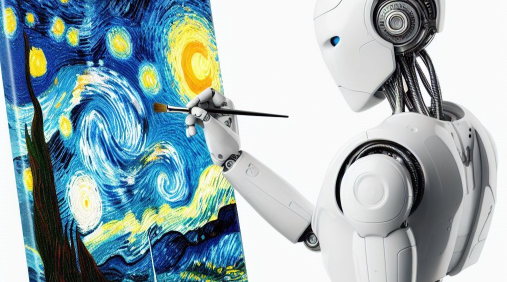
AI-influenced digital art reshapes authorship and workflow by introducing collaborative pipelines that blend human intent with algorithmic generation. Tools, models, and prompts function as modular components, enabling iterative refinement and transparent provenance. The field faces questions of originality, data ownership, and licensing integrated with cross-border norms. A rigorous practice emerges from disciplined prompt engineering, clear accountability, and documented experimentation. The implications are substantive, inviting careful scrutiny as practitioners map creative autonomy against evolving regulatory and ethical constraints.
What AI Brings to Digital Art Creation
AI technologies augment digital art creation by expanding toolkit capabilities, accelerating workflow, and enabling new expressive modalities. This evaluation considers how algorithms influence authorship, originality, and decision chains, framing AI originality as collaborative rather than autonomous. Data ownership concerns arise when proprietary datasets underpin generative outputs, demanding transparent provenance and equitable licensing. Practitioners weigh automation benefits against interpretive control, pursuing rigorous standards for accountability, reproducibility, and ethical guideline adherence.
See also: thefurtherbusiness
Tools, Models, and Workflows for Artists
It cautions on concept jailbreak risks and the implications of model licenses, urging clear provenance, parameter tracking, and modular pipelines to support creative autonomy without compromising integrity or compliance.
Ethical, Legal, and Creative Implications
This section examines the ethical, legal, and creative implications surrounding AI-assisted digital art, focusing on accountability, ownership, and regulatory coherence.
The analysis isolates ethical considerations and legal implications within practice, contrasting authorial intent with model-generated outputs.
It addresses transparency, consent, and attribution while evaluating impact on originality, market fairness, and cross-border standards, urging coherent governance without stifling creative freedom.
Tips to Get Started and Grow Your Practice
Developing a practice in AI-assisted digital art demands a structured approach that balances technical capability with critical evaluation; practitioners should begin by clarifying their artistic goals, selecting appropriate tools, and establishing a workflows framework that integrates iterative experimentation with rigorous documentation.
Regular evaluation, disciplined journaling, and peer review refine skill; emphasis on prompt and prompt engineering, data sourcing ethics guides responsible, creative exploration and sustainable growth.
Frequently Asked Questions
How Do I Attribute Ai-Generated Elements in Collaborative Artworks?
The answer: AI attribution is achieved by documenting each AI-generated element’s origin, its prompts, and versioning, while crediting human collaborators for conceptual input; Collaborative prompts should be recorded, dated, and transparently linked to creative decisions to ensure accountability.
Can AI Replace Human Creativity in Art Over Time?
Precisely, AI cannot replace human creativity in art over time; it augments rather than supersedes. A 60% rise in consumer trust hinges on algorithm transparency, AI ethics, copyright reform, and sustained human–AI collaboration shaping artistic identity.
What Are the Licensing Terms for Ai-Generated Art?
Licensing terms for AI-generated art are unsettled, with licensing ambiguities and attribution challenges complicating ownership. Analysts emphasize careful documentation, provenance, and jurisdictional clarity to balance freedom of creators with accountability, while policymakers consider standardized, transparent licensing frameworks.
How Do I Protect Artists’ Rights in Mixed Ai-Human Works?
Protecting artists’ rights in mixed ai-human works requires robust protective frameworks and clear attribution standards, ensuring ongoing control over derivative use, transparent provenance, fair compensation, and enforceable licenses while preserving creative freedom and ethical collaboration.
What Skills Should Non-Artists Learn to Use AI Tools Effectively?
A hyperbole: mastering prompts and learning fundamentals unlocks a galaxy of capability. The non-artist should learn fundamentals, then mastering prompts, iterative testing, and workflow discipline to use AI tools effectively with analytical rigor and freedom-minded efficiency.
Conclusion
AI-driven digital art sits at the intersection of technique and discourse. By treating originality as a collaborative process—foregrounding provenance, modular pipelines, and disciplined prompting—artists sustain creative autonomy while embracing transparency and accountability. This approach clarifies licensing, data use, and cross-border considerations, enabling iterative experimentation within ethical bounds. In sum, AI acts as a rigorous amplifier: expanding expressive possibilities without eroding authorship, inviting ongoing reflection, and inviting readers to weigh responsibility against innovation.